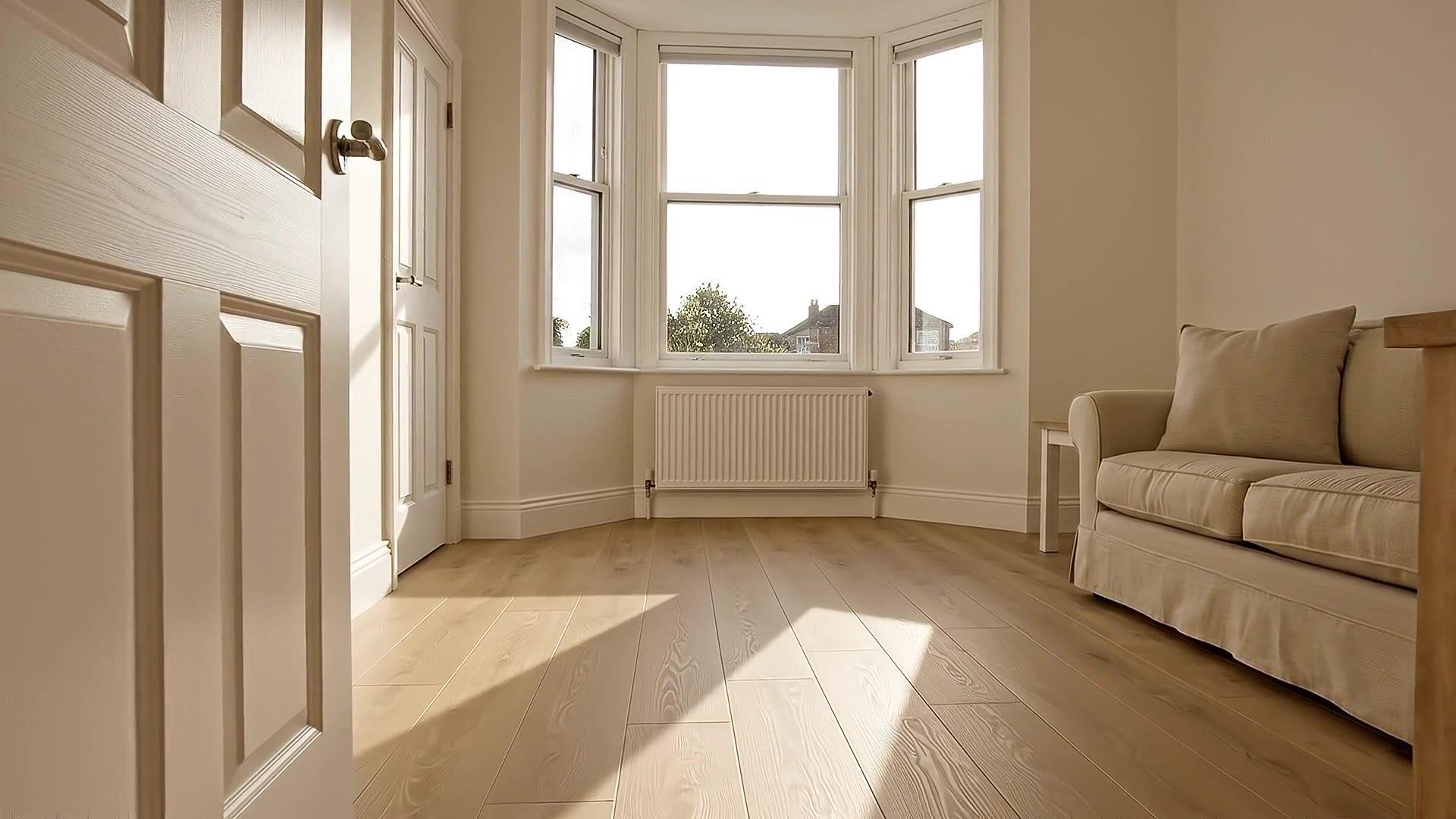
If the top of a radiator feels cool or much colder than the bottom, it needs bleeding to let trapped air out. Turn off your central heating and wait for the radiators to cool down first. Hold a cloth under the bleed valve at the top, and turn it slowly anticlockwise with a radiator key.
Once the hissing stops and water begins to appear, turn the key clockwise to shut the valve. Bleeding several radiators normally makes your heating pressure drop. Check the pressure gauge afterwards and raise the pressure using the maker's instructions if it reads low.
A thermostatic radiator valve can also get stuck, especially if that radiator has not been used for a while. Take off the cover and check that the pin still moves up and down. If some radiators get warmer than others on the same setting, the system may need balancing so the warmest ones take less hot water.
Checking for trapped air or a stuck pin early saves you putting up with cold rooms. Balancing is usually a job for an engineer, because adjusting radiator valves can cause water leaks. If your radiators in Rickmansworth still heat unevenly, read about heating system compatibility checks and give me a call.